
Table of Contents
- About Prempavee: Stewardship of Thai Cannabis Genetics
- Hands In The Soil: Women Preserving Thai Sativa Strains
- The Legendary Thai High
- Thai Ganja: Lift-Off Without the Munchies
- Indoor Growing Advice for Thai Sativa
- General Cultivation Tips for Thai Sativa
- Growing Thai Sativa Outdoor in the U.S.
- Growing Thai Sativa in Australia & New Zealand
- Growing Thai Sativa Outdoor in Europe
- Beginner Friendly Thai Sativa 🌱
- Prempavee Seed Catalog 🌱
- FAQs
At Mandala Seeds, we’re genuinely excited to team up with Ace Seeds to bring the authentic Thai genetics from Prempavee Thai Landrace strains to growers around the world. When it comes to Thai Sativa plants, we consider the Ace crew as the most experienced breeders outside of Thailand. They’ve spent years traveling throughout Thailand, connecting directly with local growers and carefully sourcing the best possible seed stock.
That level of hands-on experience and respect for the plant is exactly why we trust Ace Seeds. When it comes to Thai cannabis, we wouldn’t work with anyone else because for us, quality, authenticity, and true heritage matter just as much as they do to the growers planting these seeds.
As interest in authentic, unaltered cannabis genetics continues to grow, more cultivators are turning their attention to true heirloom Sativa's—plants shaped by centuries of climate, culture, and traditional farming. Among the most respected sources of these genetics are Prempavee Thai Landrace strains, whose seeds are now available through our shop for growers seeking something genuine and meaningful.
This collection represents more than cannabis varieties; it is living agricultural heritage from Thailand, preserved and shared with the global grower community.
All Prempavee seeds are produced in Thailand! Only fresh stock! 🌱
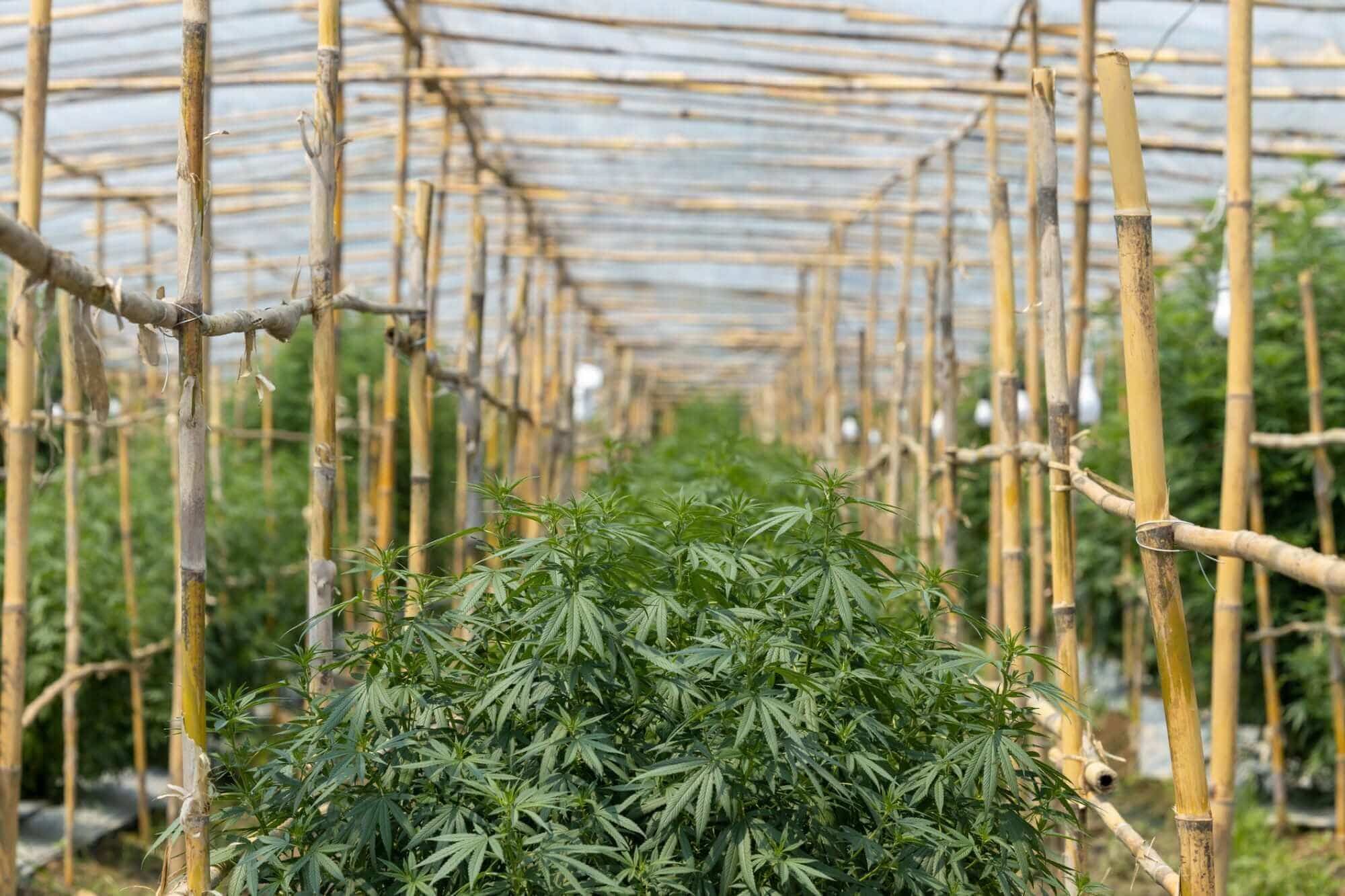
About Prempavee: Stewardship of Thai Cannabis Genetics
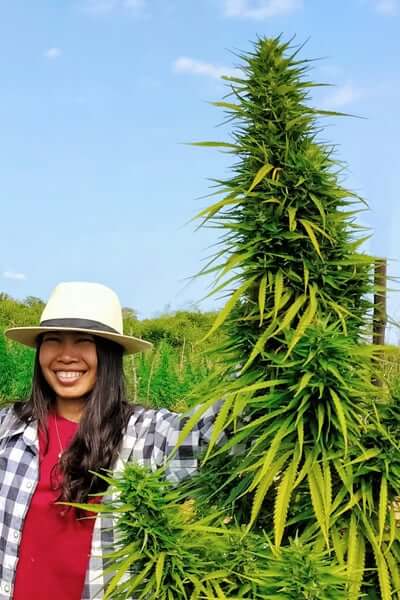
Prempavee is a Thai farmer and seed conservator from the Isan region of northeastern Thailand. Working directly within traditional farming communities, she maintains open-pollinated landrace fields rather than modern indoor breeding projects. The result is seed stock that reflects regional diversity, resilience, and authenticity.
These seeds are not modern hybrids or reworked “Thai-style” cultivars. They are locally adapted populations, preserved through careful selection and seasonal cycles, just as they have been for generations. Each line expresses subtle differences in growth, aroma, and effect, hallmarks of true landrace cannabis.
Hands In The Soil: Women Preserving Thai Sativa Strains
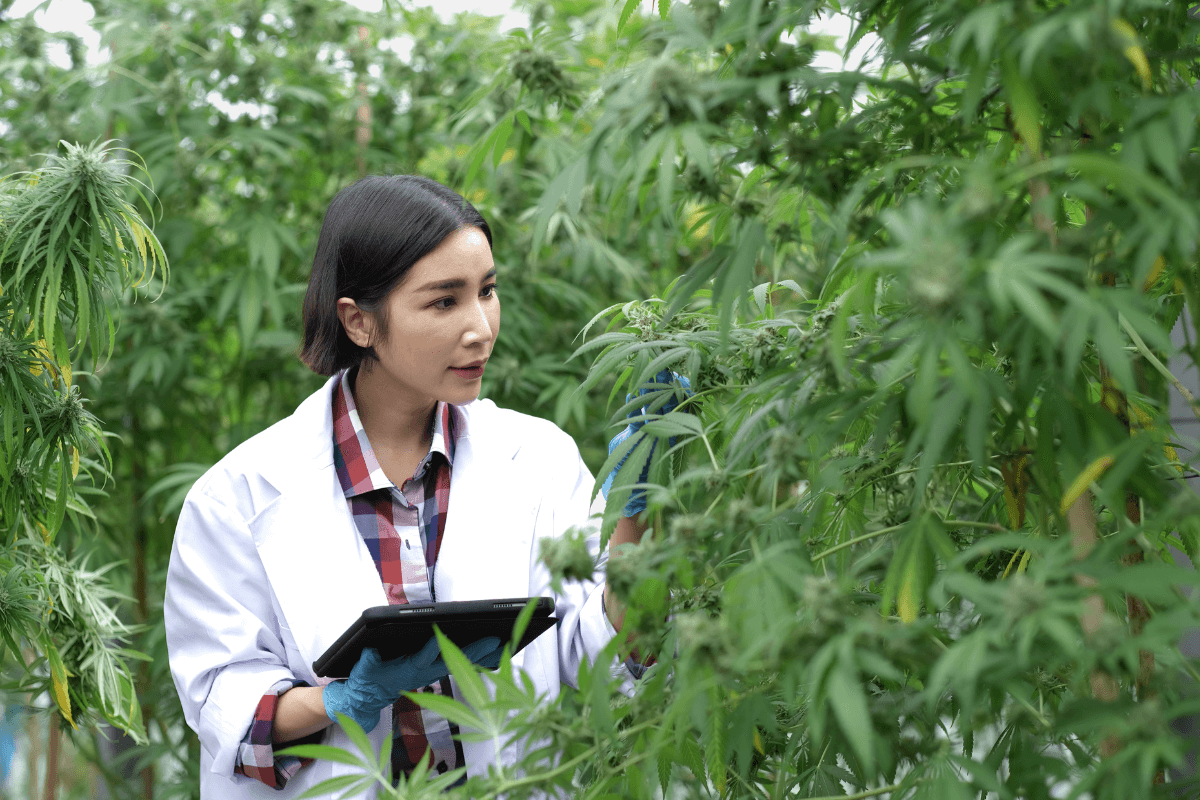
Women like Prempavee are clearly part of Thailand’s cannabis story today, especially since legalization opened the door for cultivation, research, and small-scale farming again. Across Thailand, women are working as licensed growers, nursery operators, processors, educators, and advocates, helping shape how cannabis is grown and shared at a community level. In rural areas, cannabis is often grown alongside other crops on family-run farms, where women are hands-on with daily farm work and decision-making.
In many traditional farming communities, women are the keepers of plant seeds—selecting, saving, and passing down genetics from one season to the next. This work requires patience, deep plant knowledge, and long-term vision, and it has been central to the survival of Thai landrace cannabis over generations. While women’s roles in seed preservation has rarely been acknowledged publicly, their current involvement in cultivation and stewardship is well established. Recognizing Thai landrace cannabis also means acknowledging the women like Prempavee who are actively contributing to its future through farming, knowledge sharing, and leadership.
The Legendary Thai High
Thai marijuana is legendary for its unmistakable effects. These classic Thai Sativa's are known for producing a clear, energetic, and often psychedelic high that feels uplifting, expansive, and mentally stimulating rather than heavy or sedating. Connoisseurs and longtime smokers describe the experience as creative, social, and deeply cerebral, with a sense of focus and flow that modern hybrids often struggle to replicate. These effects are a big part of why Thai genetics became so influential during the rise of modern cannabis breeding in the 1980s-90s. Well-known strains like Haze, Skunk #1, Northern Lights, Jack Herer and Kali Mist all trace part of their genetic lineage back to Thai landraces, which were prized for their potency, unique terpene profiles, and soaring Sativa character. Many of these old school hybrids are no longer available in their original quality. For example, the last time we saw the real Northern Lights plant was in 1994!
Even today, the influence of Thai genetics can be felt across countless modern varieties, but growing true Thai landraces offers a chance to experience these effects in their pristine and authentic form.
You'll also find Thai landrace hybrids in the Ace Seeds catalog, such as Thai A5 Haze , Colossus, Magic Carrot, and Thaidelica. These have more manageable flowering times and can be cultivated outdoor further north as well.
P.S. Take note of harvest advice in the strain details because timing can influence the high. Choosing the right harvest window lets you fine-tune the experience.
Thai Ganja: Lift-Off Without the Munchies
Many growers and smokers notice that Thai Sativa strains, including the lines preserved by Prempavee, tend to be less associated with heavy munchies compared to many modern hybrids. This doesn’t appear to be linked to high THCV levels, which are not a defining trait of traditional Thai genetics. Instead, it likely comes down to the overall effect profile and biochemistry of these plants.
Thai ganja is known for producing a clear, uplifting, and mentally focused high rather than a heavy body stone, and strong appetite stimulation is more often tied to sedating, body-dominant effects. Harvest timing plays a role as well, since earlier to mid harvests tend to preserve the energetic, clear-headed qualities that many people associate with reduced appetite stimulation. While individual experiences will always vary, these genetics are often appreciated for daytime use, creativity, and mental clarity without the strong urge to raid the fridge.
Indoor Growing Advice for Thai Sativa
Growing Prempavee Thai Landrace seeds indoors is possible, but it requires a different mindset than modern indica-leaning hybrids. Also several of the Prempavee strains are outdoor only, such as Foitong, Mekhong Classic, Hangkrarok Giant, and Hangkrarok Manao.
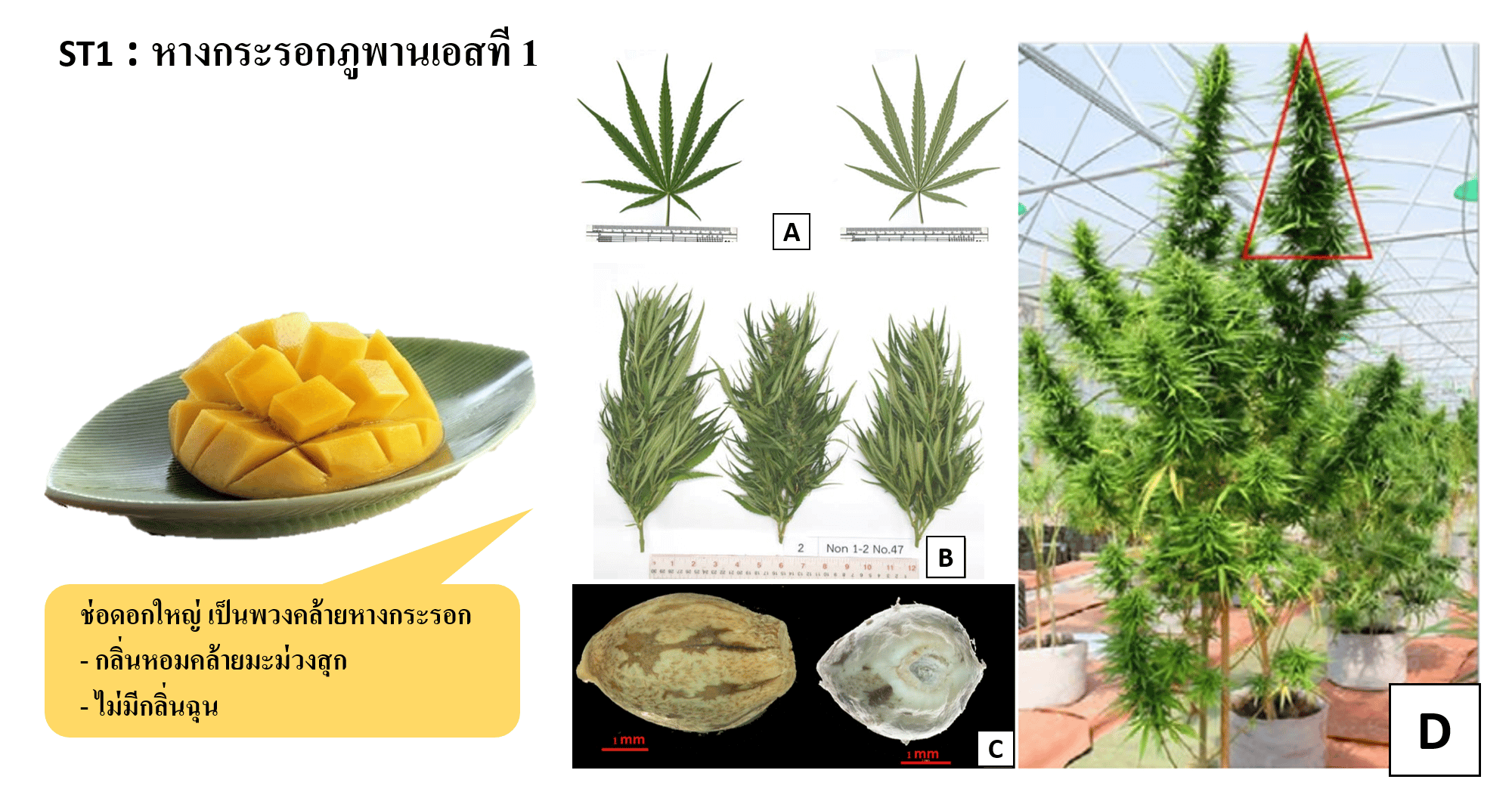
For indoor growing Black Mango and Hangkrarok Fat Tail are prime choice. These two are also considered beginner friendly. Phu Phan Tiger Tail requires enough space and its best grown in a room, not a grow tent, so that you can raise the lamp sufficiently.
For best results, it’s recommended to trigger flowering early, either about 10-15 days from seed or once clones have been rooted. Running a slightly reduced 11/13 light cycle helps encourage solid bud development while minimizing re-flowering and excessive stretch during the early flowering phase. These plants respond exceptionally well to horizontal training, or netted grows, thanks to strong lateral branching and a vigorous response to pruning. In the second half of flowering, lowering the light cycle further to 10/14 can help push plants toward full maturity.
Managing Height and Structure
Expect vigorous vertical growth, especially after the flip to flowering
Use low-stress training (LST); do NOT prune the plants if the strain details advise natural growth, most Thai strains prefer minimal interference
Start 12/12 early, switch to 11/13 if necessary during flowering
Flowering Time and Patience
Thai landrace strains typically flower 14-22 weeks
Extended flowering is normal and part of their genetic expression
Some plants can be harvested in stages, the psychoactive effects depend on level of maturity
Environment and Lighting
Strong, even lighting helps support tall canopies and airy flower structures
Maintain stable temperatures and airflow; provide enough warmth during the dark cycle and if you grow under LED lamps
'Universal' HID lamps with balanced blue-red spectrum work for all landrace Sativa and have the benefit of providing warmth
These plants thrive in conditions that mimic their tropical origins: warm, bright, and well-ventilated
Indoor growers who embrace the natural rhythm of these Sativa's are rewarded with uniquely expressive plants unlike anything found in commercial hybrid catalogs.
Black Mango

€65.00
Genetics Chiang Rai, Thailand Type sativa Cultivation indoor/outdoor/greenhouse THC 16% CBD 0.1% High cerebral, energetic, focused, uplifting Aroma mango, fruity, sweet Flowering (indoor) 14-18 weeks Harvest (outdoor) December-January Yield average-high Height tall Description Limited Supply! Black Mango is a… Read More
Hangkrarok Fat Tail

€40.00
Genetics Northeast Thailand Type sativa Cultivation indoor/outdoor/greenhouse THC 13.7% CBD 0.4% High uplifting, trippy, sedative Aroma mango, citrus, minty, organic Flowering (indoor) 14-18 weeks Harvest (outdoor) December-January Yield high Height medium Description Limited Supply! Hangkrarok Fat Tail is a… Read More
General Cultivation Tips for Thai Sativa
When growing Prempavee Thai Landrace strains, the general rule is simple: do less, not more. These plants do not like heavy-handed techniques. Avoid pinching, defoliation, and aggressive pruning, as most Thai landraces prefer to grow naturally without constant interference.
Heavy fertilizing should also be avoided, since these genetics are adapted to lighter feeding and can easily be overstimulated, with the main exception being Hangkrarok Fat Tail, which can handle a strong feeding schedule. In most cases, letting the plant find its own rhythm leads to better structure, healthier growth, and more authentic expression.
Among the Prempavee lines, only Hangkrarok Champion, Hangkrarok Manao, and Phu Phan Tiger Tail respond well to light pruning, and even then it should be kept minimal. Overall, these strains reward patience, restraint, and respect for their natural growth habits far more than intensive training or intervention.
Growing Thai Sativa Outdoor in the U.S.
Thai landrace cannabis evolved in hot and tropical environments with long, warm seasons and stable day lengths. Understanding this is key to successful outdoor cultivation. The strain details for each Prempavee Thai landrace provide you with valuable information for a successful grow.
Ideal Climate Conditions
Consistently warm temperatures
Long summers with minimal cold stress
Moderate to high humidity
Extended growing seasons that allow long flowering cycles to finish naturally
USDA Plant Hardiness Zones
For outdoor cultivation in the United States the Prempavee Thai Landrace strains are best suited for USDA Plant Hardiness Zones 9–11 which cover the warmest parts of the United States. Winters are mild enough to support long-season, tropical and subtropical plants like Thai landrace cannabis.
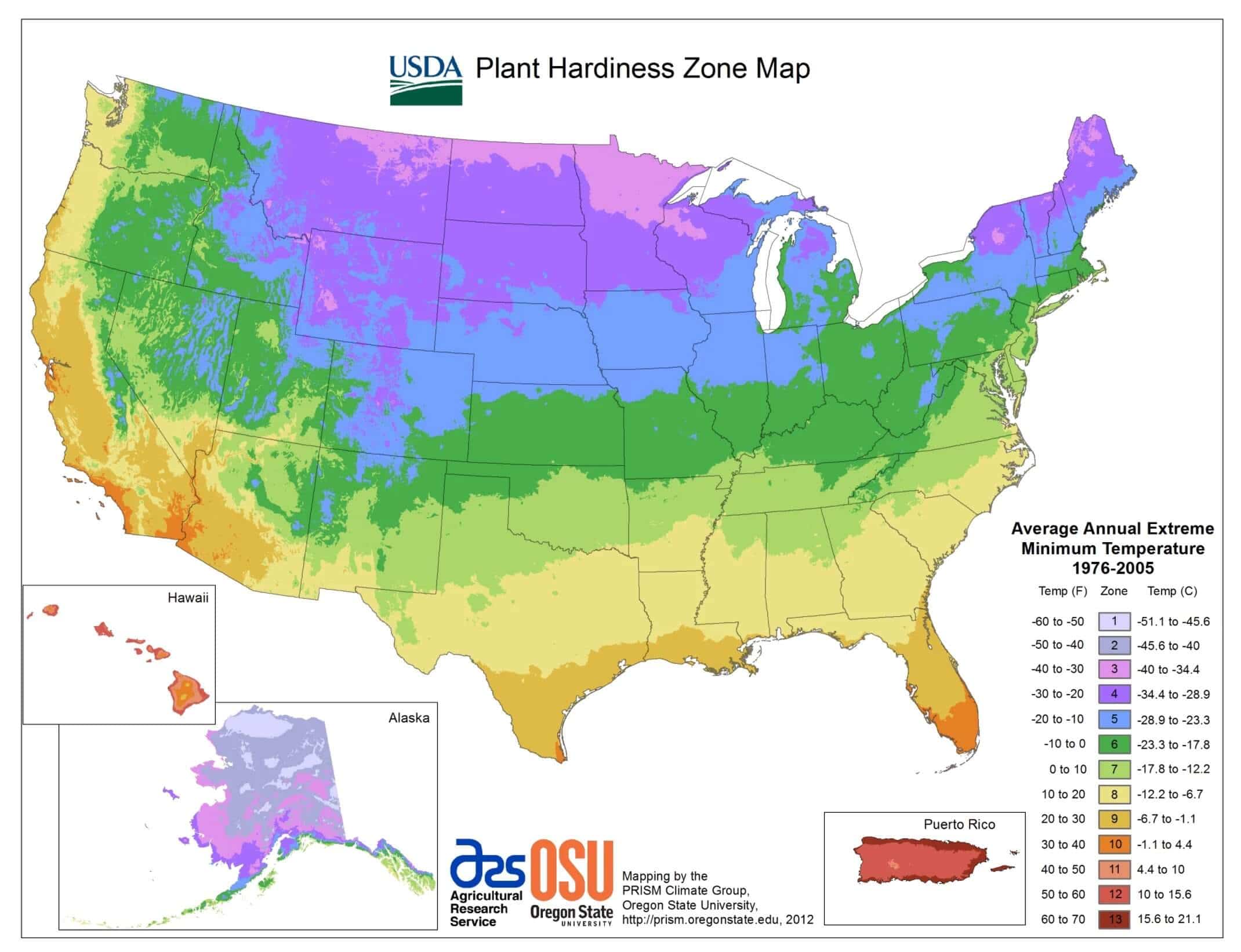
Zone 9
Southern and coastal California
Southern Arizona and parts of southern Texas
The Gulf Coast including southern Louisiana, Mississippi, Alabama, and Georgia
Northern and central Florida
These areas usually have long, warm summers but may still see cooler nights or short cold snaps in winter.
Zone 10
Southern Florida
Coastal Southern California
Parts of South Texas
Frost is rare, and the growing season is long enough for extended-flowering Sativa's to finish outdoors with proper timing.
Zone 11
Hawaii
Extreme southern Florida and the Florida Keys
Virgin Islands
This is the closest match to tropical Thai conditions, with year-round warmth and minimal seasonal stress.
Zones 9–11 are the most reliable for outdoor cultivation of tall, long-flowering Thai landrace cannabis without major intervention.
Microclimates
Coastal microclimates make it possible to grow Thai landrace genetics successfully outside these zones, especially with some planning.
Cooler regions with strong sun and mild winters, such as parts of coastal California, Oregon, and even Washington, can support long-flowering Sativas when growers take advantage of late-season warmth and reduced frost risk.
Cooler Zones
In cooler zones, growers should consider a greenhouse, light-deprivation techniques, and early planting to maximize seasonal length.
Thai Sativa genetics reward patience and space, rushed seasons or early frosts can prevent plants from reaching their full potential.
Protected growing sites
South-facing slopes, wind-sheltered gardens, and areas near large bodies of water often stay warmer and more stable than regional averages.
Greenhouses and light-deprivation setups
In zones 7–8 and even cooler areas, greenhouses and light-deprivation allow growers to mimic tropical conditions. These methods are commonly used to finish Thai Sativa's that would otherwise run out of season outdoors.
Growing Thai Sativa in Australia & New Zealand
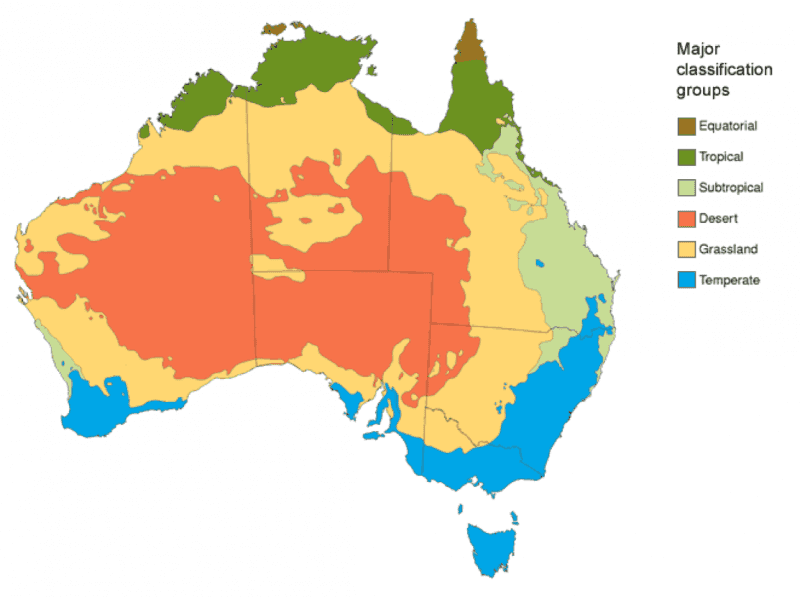
In Australia, Prempavee Thai Landrace strains are best suited to subtropical and tropical regions that offer long, warm growing seasons.
- Northern New South Wales
- Coastal Queensland
- Eastern Australia
Northern Australia, including parts of Queensland and the Northern Territory, comes closest to true tropical conditions. Coastal areas often benefit from stabilizing ocean influences, creating favourable microclimates with reduced temperature swings.
In New Zealand, the climate is cooler overall, but outdoor cultivation is still possible in select regions. Northern areas of the North Island, including Northland, Auckland, and parts of the Bay of Plenty. Coastal microclimates, sheltered valleys, and north-facing slopes can significantly extend the growing season. For much of New Zealand, greenhouses and light-deprivation techniques are strongly recommended to help Thai landrace cannabis finish flowering before autumn weather sets in.
Growing Thai Sativa Outdoor in Europe
In Europe, Prempavee Thai Landrace strains perform best in warm Mediterranean climates where long summers and mild autumns allow extended flowering cycles to finish naturally.
The European Overseas Territories such as Réunion, Martinique, Canary Islands, Madeira, Azores, British Virgin Islands, etc. are ideal locations.
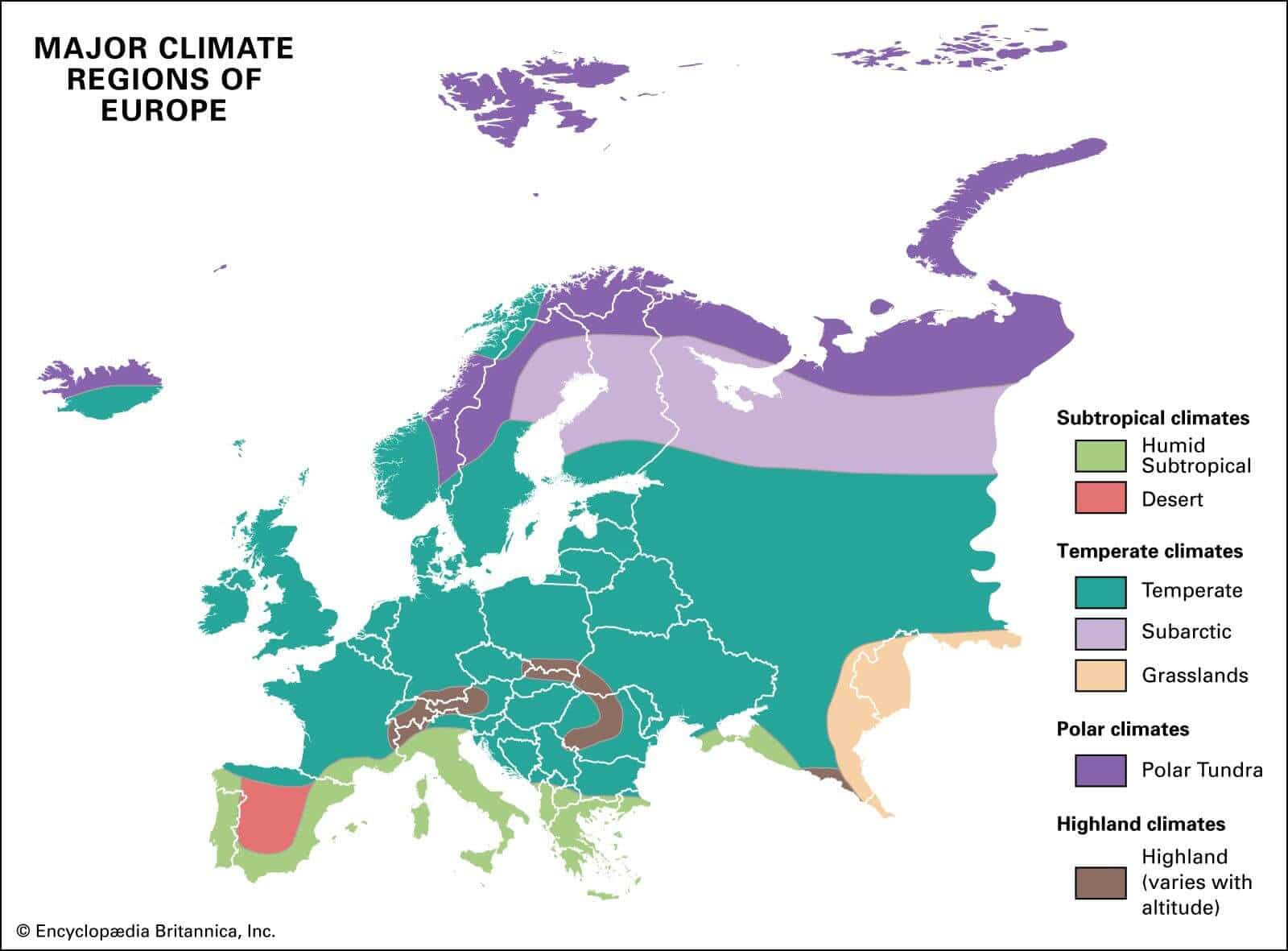
- Southern Spain
- Balearic islands
- Southern Italy
- Greece
- Southern Portugal
- Balkan coastal regions
Coastal microclimates across the Mediterranean often provide extra protection from early cold snaps, especially near the sea where temperatures remain more stable.
Outside these regions, experienced growers in Central and Northern Europe can still cultivate Thai Sativa's in a heated greenhouse and plating late in the season.
Beginner Friendly Thai Sativa 🌱
Black Mango
€65.00
Genetics Chiang Rai, Thailand Type sativa Cultivation indoor/outdoor/greenhouse THC 16% CBD 0.1% High cerebral, energetic, focused, uplifting Aroma mango, fruity, sweet Flowering (indoor) 14-18 weeks Harvest (outdoor) December-January Yield average-high Height tall Description Limited Supply! Black Mango is a… Read More
Hangkrarok Fat Tail
€40.00
Genetics Northeast Thailand Type sativa Cultivation indoor/outdoor/greenhouse THC 13.7% CBD 0.4% High uplifting, trippy, sedative Aroma mango, citrus, minty, organic Flowering (indoor) 14-18 weeks Harvest (outdoor) December-January Yield high Height medium Description Limited Supply! Hangkrarok Fat Tail is a… Read More
Prempavee Seed Catalog 🌱
Red Laos

€65.00
Genetics Laos Type sativa Cultivation outdoor/greenhouse THC 15.4% CBD 0.2% High cerebral, energetic, uplifting, trippy, sedative Aroma fruity, citrus Flowering (indoor) 14-18 weeks Harvest (outdoor) December Yield average Height medium Description Limited Supply! Red Laos regular seeds is not… Read More
Foitong

€65.00
Genetics Thailand Type sativa Cultivation outdoor/greenhouse THC 10.5% CBD 0.1% High cerebral, energetic, focused, uplifting Aroma mango, fruity, orange, sweet Flowering (indoor) >22 weeks Harvest (outdoor) January Yield average-high Height tall Description Limited Supply! Foitong regular seeds is named… Read More
Hangkrarok Champion

€40.00
Genetics Northeast Thailand Type sativa Cultivation outdoor/greenhouse THC 15% CBD 0.1% High cerebral, energetic, focused, uplifting Aroma mango, citrus Flowering (indoor) 16 weeks Harvest (outdoor) December-January Yield high Height medium-tall Description Limited Supply! Hangkrarok Champion is a standout expression… Read More
Hangkrarok Fat Tail
€40.00
Genetics Northeast Thailand Type sativa Cultivation indoor/outdoor/greenhouse THC 13.7% CBD 0.4% High uplifting, trippy, sedative Aroma mango, citrus, minty, organic Flowering (indoor) 14-18 weeks Harvest (outdoor) December-January Yield high Height medium Description Limited Supply! Hangkrarok Fat Tail is a… Read More
Hangkrarok Giant

€40.00
Genetics Northeast Thailand Type sativa Cultivation indoor/outdoor/greenhouse THC 15.7% CBD 0.3% High energetic, uplifting, motivating, focused Aroma mango, citrus, liquorice Flowering (indoor) 14-18 weeks Harvest (outdoor) December-January Yield high Height medium Description Limited Supply! Hangkrarok Giant Regular represents ancient… Read More
Hangkrarok Manao

€65.00
Genetics Northeast Thailand Type sativa Cultivation outdoor/greenhouse THC 14.7% CBD 0.1% High cerebral, energetic, uplifting, relaxing Aroma lemon, lime Harvest (outdoor) December-January Yield high Height medium Description Limited Supply! Hangkrarok Manao is a celebrated expression of the famous Squirrel… Read More
Phu Phan Tiger Tail

€65.00
Genetics Nakhon Phanom, Thailand Type sativa Cultivation outdoor/greenhouse THC 15.4% CBD 0.2% High cerebral, energetic, uplifting, trippy, sedative Aroma mango, minty, eucalyptus, citrus Flowering (indoor) 16-18 weeks Harvest (outdoor) December Yield average-high Height tall Description Limited Supply! Phu Phan… Read More
Mekhong Classic

€65.00
Genetics Mekhong, Thailand Type sativa Cultivation outdoor/greenhouse THC 14% CBD 14% CBG 0.6% High cerebral, uplifting, meditative Aroma apple, lemon, liquorice Flowering (indoor) 12-14 weeks/best outdoor Harvest (outdoor) December Yield average-high Height medium Description Limited Supply! Mekhong Classic is… Read More
Black Mango
€65.00
Genetics Chiang Rai, Thailand Type sativa Cultivation indoor/outdoor/greenhouse THC 16% CBD 0.1% High cerebral, energetic, focused, uplifting Aroma mango, fruity, sweet Flowering (indoor) 14-18 weeks Harvest (outdoor) December-January Yield average-high Height tall Description Limited Supply! Black Mango is a… Read More
Frequently Asked Questions 😊
FAQs
How should I germinate Prempavee Thai Landrace seeds?
The Prempavee collection is guaranteed fresh and viable stock. The strains are vigorous and easy to start. The only exception is Foitong, which requires special handling. Please read the strain details for more information.
Thai landrace cannabis seeds germinate best when warm, stable conditions are maintained from the start.
Because these genetics come from tropical environments, using a heating mat to keep temperatures consistently warm can greatly improve germination speed and success, especially indoors. If you live in a warm climate, seeds can also be started outdoors once nighttime temperatures are reliably mild.
Start seeds in a high-quality, light seedling soil that drains well and is not heavily fertilized. In Europe, Compo Sana seedling soil is ideal.
Water with chlorine-free water, as young roots and beneficial microbes are sensitive to treated tap water.
Water pH is essential for healthy growth. As soon as the seeds germinate ensure your water has a pH of 6.2-6.5 . Never lower pH with mineral salts such as Ph Down. This is the fastest way to damage or kill your plants. At Mandala we use cheap vinegar, which is completely harmless for the plants in the small amounts required to adjust the water pH.
The soil should be evenly moist and properly watered, but never waterlogged with the tray or pots standing in water. It’s important not to let the soil fully dry out during the early stages. These seeds do best when left alone to establish strong roots, so avoid transplanting too early and focus on creating calm, consistent conditions rather than rushing the process.
Pre-Germination Methods
At Mandala Seeds, we don’t recommend germinating seeds in paper towels. Paper towels are not a natural environment for seeds and don’t reflect how plants start life in nature. Healthy soil contains enzymes, microbes, and gentle nutrients that help trigger and support germination from the very beginning, setting the foundation for stronger plants. Another issue with paper towel germination is handling. The young root and fine capillary hairs are extremely delicate and are almost always damaged during transfer to soil. It’s a stressful and invasive start for a fragile seedling. If you want your plants to thrive from day one, it’s far better to germinate directly in soil and work with nature instead of against it.
Where can I grow Prempavee Thai Landrace strains outdoor?
You can grow Thai Sativa in warm, hot, and tropical zones. Some micro-climates in cooler areas are also suitable, especially in a greenhouse. Please consult our detailed climate guides for USA, Australia/NZ and Europe in this blog post.
How do you control the height in a greenhouse/outdoor?
Most Thai Sativa prefer minimal interference and do not respond well to aggressive pruning, pinching, or excessive handling. Gentle horizontal training such as LST works well. These Prempavee strains also tolerate light pruning: Hangkrarok Champion, Hangkrarok Manao, and Phu Phan Tiger Tail.
How long do Thai Sativa strains take to flower indoors?
Thai Sativa strains have longer flowering times than modern hybrids. Indoors, growers should expect an extended flowering period between 14-22 weeks, with partial harvests possible depending on desired psychoactive effect.
How do you control the height of Thai Sativa plants indoors?
Height control starts with flipping to flower early, ideally around 10-15 days from seed or once clones have rooted. Thai Sativa's respond very well to non-invasive training techniques that spread growth horizontally rather than vertically.
What light schedule works best for flowering Thai Sativa indoors?
A slightly reduced flowering light cycle of 11/13 helps promote steady bud development while reducing the risk of re-flowering and excessive stretch during early flower. In the second half of flowering, lowering the photoperiod to 10/14 can help plants mature more fully.
What temperatures and humidity levels are ideal for Thai Sativa?
Thai Sativa's prefer warm, stable conditions that reflect their tropical origins. Consistent temperatures, good airflow, and stable humidity help support long flowering cycles and reduce stress.
Do Prempavee Thai Landrace strains yield well indoors?
While they take longer to finish, Thai Sativa strains can yield very well indoors under good lighting and adequate plant care. Black Mango, Hangkrarok Fat Tail, and Phu Phan Tiger Tail have the potential for high yield.
What is the best growing method for Prempavee Thai landrace strains?
Organic growing in living soil is the best method for Thai landrace Sativa. These genetics evolved in natural environments with complex soil biology, not synthetic feeding schedules. Living soils allow the plant to regulate nutrient uptake naturally, resulting in healthier growth, better structure, and more expressive aromas and effects.
What type of soil works best for organic Thai Sativa cultivation?
Thai landrace Sativas like well-draining organic soils rich in microbial life. Living soil mixes work especially well, as long as they’re not too heavy or over-amended. These plants prefer a soil that stays alive and balanced, with a gradual nutrient release, rather than one that’s constantly being adjusted. Hangkrarok Fat Tail is an exception because this strain tolerates a regular and strong feeding schedule.
When using quality horticultural soil mixes do not dilute them with high amounts of perlite, vermiculite, coco coir, or other non-nutritive additions. Good horticultural soil is ready to use and has a balanced composition. By reducing available nutrients and water retention you can run into problems during the long flowering cycle of the plants.
Do Prempavee Thai landrace strains need strong nutrients?
No. Thai landrace Sativas are not heavy feeders. Overfeeding, even with organic inputs, can cause too much stretch, slow flower development, or dull aromas. With good soil, most of the work is already done and the plant can cruise without being pushed. Hangkrarok Fat Tail is an exception because this strain tolerates a regular and strong feeding schedule.
How should nutrients be managed during flowering?
In organic grows, it’s better to stay hands-off during flowering. Early on, stable soil and mild nutrition help the plant transition without going crazy on stretch. As flowering moves along, many growers just focus on keeping the soil healthy with light top dressings or a very mild feeding, then ease off later so the plant can finish naturally.
